


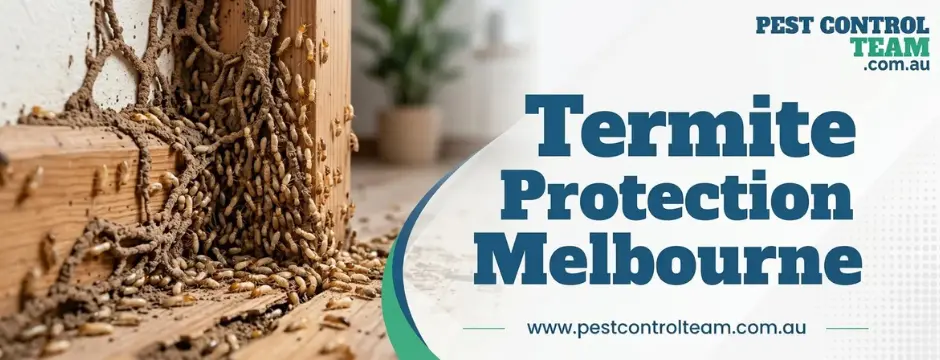
Termite Protection Melbourne is an important consideration for homeowners because termite activity can remain hidden until structural timber has already been affected. Melbourne properties can face termite risks where moisture, timber contact with soil, garden landscaping, leaks, or poorly ventilated areas create suitable conditions. Knowing the early warning signs and taking practical preventive steps can help property owners respond before a minor concern becomes a costly repair issue.
Termite Protection Melbourne Signs Homeowners Should Know
Termite Protection Melbourne starts with recognizing early warning signs, as termites can easily travel through concealed areas such as wall cavities, subfloors, roof spaces, and soil without being noticed. Instead of waiting for obvious structural damage, homeowners should regularly check for subtle changes around their property.
Common warning signs include:
- Mud tubes or shelter tubes around foundations, walls, piers, or other structures.
- Hollow-sounding timber, blistered surfaces, or wood that appears damaged beneath the surface.
- Discarded wings near windows, doors, skirting boards, or other entry points.
- Tight-fitting doors or windows that suddenly become difficult to open.
- Cracks, bubbling paint, or unusual marks around timber structures.
A single sign does not always confirm an active termite infestation. However, several unusual changes appearing together deserve professional attention. Pest Control Team can assess suspected activity and help determine the appropriate approach for the property.
Why Melbourne Homes Can Be Vulnerable
Termites do not need an obvious entry point into a home. They can move through soil and concealed building areas, making regular inspections particularly useful for properties with timber elements close to the ground.
Moisture is another factor worth watching. Leaking pipes, blocked drainage, poor subfloor ventilation, damp garden areas, and water accumulation near foundations can contribute to conditions that attract termite activity.
Melbourne’s changing weather conditions also mean homeowners should not assume that termites are only a seasonal concern. A property that appears unaffected from the outside may still have concealed areas requiring attention.
Practical Ways to Prevent Termite Problems
Prevention starts with reducing conditions that make a property easier for termites to access or remain around. Homeowners can take several straightforward steps as part of regular property maintenance.
- Keep soil, mulch, stored timber, and garden materials from covering potential inspection zones.
- Repair leaking taps, pipes, gutters, and drainage problems promptly.
- Maintain suitable clearance around timber structures where possible.
- Keep subfloor and other enclosed areas adequately ventilated.
- Arrange professional inspections when buying, renovating, or maintaining a termite-prone property.
Professional prevention may also involve termite management systems or barriers designed around the property’s construction. The right solution depends on factors such as building design, access points, existing conditions, and whether previous termite activity has been identified.
When Should You Arrange an Inspection
Do not wait until timber damage becomes obvious before seeking professional advice. An inspection can be particularly worthwhile when you notice mud tubes, discarded wings, damaged timber, unexplained moisture, or changes around doors and windows.
Properties undergoing renovations deserve extra attention because construction work can alter soil, landscaping, drainage, or areas that were previously accessible for inspection. Older homes can also benefit from periodic assessment, especially where access to subfloor or roof areas is limited.
Pest Control Team can help homeowners understand potential termite risks and identify areas that may need closer monitoring. Termite Protection Melbourne is most effective when prevention, property maintenance, and timely inspections are considered together rather than treated as a one-time solution.
Quick Answer:
What is the most effective approach to reduce overall termite risk around a home?
The best approach combines regular inspections, moisture management, sensible landscaping, reduced timber-to-soil contact, and appropriate termite management measures. Early attention is important because termites can remain concealed while damage progresses.
A Smarter Approach to Termite Prevention
Effective prevention is not simply about reacting after termites are discovered. It involves understanding how the property is constructed and identifying conditions that could make access easier.
Homeowners should pay particular attention after landscaping changes, plumbing problems, renovations, or drainage work. Keeping inspection zones visible also makes it easier to notice unusual activity early.
For Melbourne property owners, Termite Protection Melbourne should therefore be viewed as an ongoing part of responsible property maintenance. Simple checks combined with professional advice can make termite risks easier to identify and manage.
FAQs
What are the first signs of termites in a Melbourne home?
Common signs include mud tubes, discarded wings, hollow timber, unexplained timber damage, and sudden changes around doors or windows.
Can moisture increase termite risk?
Yes. Persistent moisture from leaks, drainage problems, or damp areas can create conditions that may support termite activity.
How often should a property be checked for termites?
The appropriate inspection frequency depends on the property, construction, location, history, and risk factors. Professional advice can help determine a suitable schedule.
Protect Your Melbourne Property Before Damage Escalates
Early action can make termite concerns easier to manage before hidden timber damage compromises your building’s structural integrity. Proactive risk management helps protect your asset value and prevents unnecessary, costly repair expenses down the track. Pest Control Team can thoroughly assess your property, identify potential environmental risk areas, and implement tailored defense systems.
Contact our experienced team today to discuss comprehensive inspection schedules and effective prevention options suited specifically to your property’s needs.