


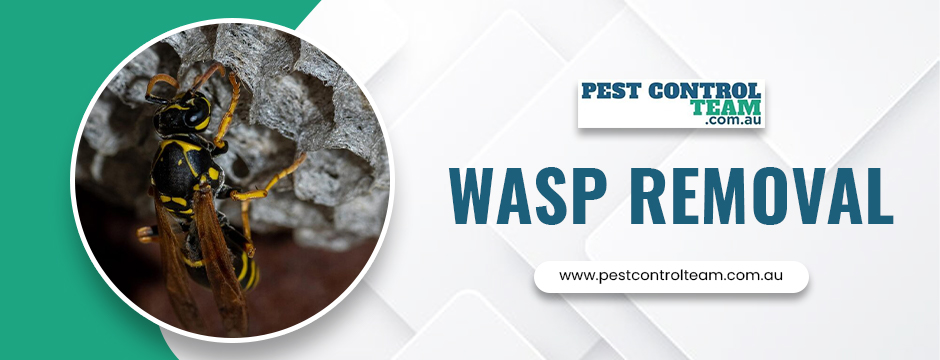
Wasps are a common sight during warmer months, often buzzing around gardens, rooftops, and outdoor spaces. While a single wasp may seem harmless, the presence of a wasp nest near your home or workplace is a serious issue that should never be ignored. Many people delay action, hoping the Wasp Removal resolve itself or assuming the nest is too small to cause trouble. Unfortunately, this assumption can lead to painful, costly, and even life-threatening consequences.
Unlike bees, wasps are highly territorial and aggressive when they feel threatened. A nest hidden in a wall cavity, roof, tree, or shed can grow rapidly, housing dozens or even hundreds of wasps within weeks. As the colony expands, so does the risk to people, pets, and property. Accidental disturbances—such as mowing the lawn, closing a door, or carrying out repairs—can trigger a sudden swarm attack.
Understanding Wasp Behaviour
Wasps are social insects that live in colonies, working together to protect their nest and queen. Unlike bees, which usually sting only once, wasps can sting multiple times without losing their stinger. This makes them particularly dangerous when provoked. Wasps are also opportunistic builders.
They construct nests in wall voids, under eaves, inside roof spaces, garages, trees, and even underground. Because many nests are hidden from view, people often remain unaware until the colony has grown significantly. As summer progresses, wasps become more aggressive due to increased activity, food competition, and the need to defend their nest. This aggression is why early detection and removal are critical.
The Risk of Painful and Multiple Stings
One of the most immediate dangers of ignoring a wasp nest is the high risk of being stung. A single sting can cause sharp pain, swelling, redness, and itching. However, when a nest is disturbed, wasps release alarm pheromones that signal others to attack.
This can result in multiple stings within seconds. Multiple stings are not just painful—they can overwhelm the body, leading to nausea, dizziness, headaches, and in severe cases, toxic reactions. Children, the elderly, and pets are especially vulnerable due to their smaller body size and limited ability to escape quickly.
Life-Threatening Allergic Reactions
For individuals with a wasp sting allergy, even one sting can be fatal. Anaphylaxis is a severe allergic reaction that can cause difficulty breathing, swelling of the throat and tongue, a sudden drop in blood pressure, and loss of consciousness. Without immediate medical treatment, the consequences can be deadly.
The danger is that many people are unaware they are allergic until they are stung. Ignoring a wasp nest increases the likelihood of accidental encounters, putting unsuspecting individuals at serious risk.
Increased Aggression Over Time
A small wasp nest removal does not remain small for long. As the colony grows, wasps become more defensive and aggressive. Late summer and early autumn are peak danger periods, as food becomes scarce and colonies are at their largest.
What might seem like a manageable problem in the early stages can quickly escalate into a major infestation. Attempting to deal with a large, established nest without professional help significantly increases the chances of attack.
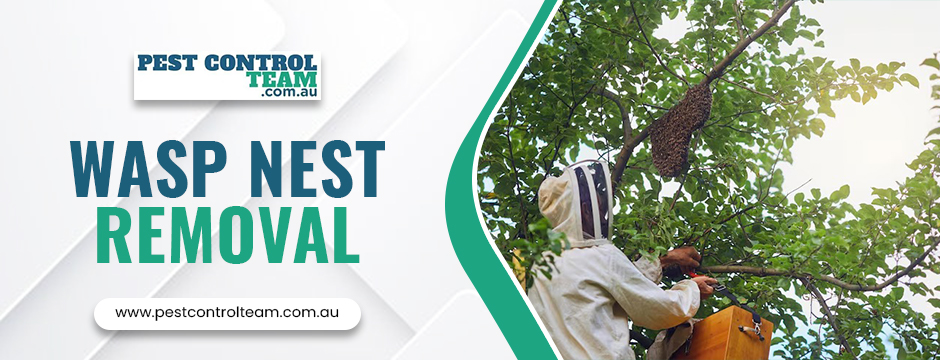
Structural and Property Damage
Wasps build their nests using a paper-like material made from chewed wood fibres mixed with saliva. Over time, this process can damage fences, roof timbers, wall cavities, and garden structures.
When nests are located inside walls or roofs, wasps may chew through plasterboard, insulation, or wooden beams, compromising structural integrity. The longer a nest is left untreated, the more extensive and costly the damage can become.
Danger to Pets and Wildlife
Pets are naturally curious and may try to investigate or attack wasps, putting them at high risk of stings. Dogs and cats can suffer severe reactions, especially if stung around the face or mouth. Multiple stings can lead to breathing difficulties and require emergency veterinary care.
Wildlife, including birds and beneficial insects, can also be affected by aggressive wasp colonies, disrupting the local ecosystem.
DIY Removal Can Make Things Worse
Many homeowners attempt DIY wasp removal using sprays, smoke, or makeshift methods. This is extremely dangerous. Without proper protective equipment and knowledge, DIY attempts often provoke the wasps rather than eliminate them.
Incomplete removal can cause surviving wasps to rebuild or relocate the nest, making the problem worse. Additionally, chemical misuse can pose health risks to occupants and pets. Professional wasp removal services are trained to assess the situation, use appropriate treatments, and eliminate nests safely and effectively.
Ongoing Infestation Risks
Ignoring a nest doesn’t just affect the current season. If left untreated, wasps may return to the same area year after year. Old nesting sites can attract new queens looking for safe locations to establish colonies.
Early removal reduces the risk of repeat infestations and helps maintain a safer, wasp-free environment long-term.
Final Words
Ignoring a wasp nest is a gamble with serious consequences. From painful stings and allergic reactions to property damage and escalating aggression, the risks far outweigh the inconvenience of addressing the problem early. Wasps are not pests that disappear on their own—instead, they grow stronger, more numerous, and more dangerous over time.
If you’ve noticed increased wasp activity or suspect a nest on your property, don’t wait for an incident to force action. For safe, reliable, and professional wasp removal services in Melbourne, visit Pest Control Team and protect your home, family, and peace of mind today.