


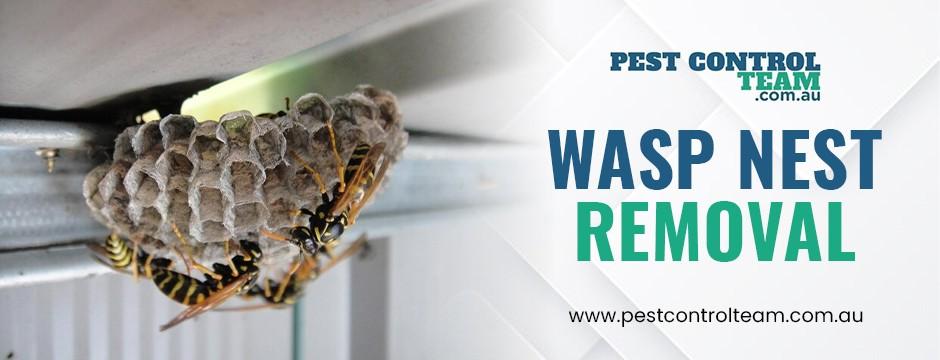
Wasps are among the most aggressive and territorial insects found around homes and commercial properties. Unlike bees, wasps can sting multiple times, and when their nest is threatened, they often attack in swarms. A single disturbed nest can quickly turn a calm environment into a dangerous situation, especially for children, pets, or individuals allergic to stings. This is why wasp nest removal should never be treated as a DIY task.
Many people underestimate the complexity of removing a wasp nest safely. From identifying the species to understanding nesting behaviour and choosing the right treatment method, every step requires experience and specialised equipment. Improper removal not only increases the risk of painful stings but can also cause wasps to relocate and rebuild nearby, making the problem worse. In this blog, we’ll explore how experts handle aggressive wasps, what makes professional wasp control effective, and why expert intervention is the safest solution for dealing with these dangerous pests.
Why Are Wasps So Aggressive?
Wasps are highly defensive insects. Their aggression mainly stems from their instinct to protect their nest and queen. When a nest is disturbed, wasps release alarm pheromones that signal other wasps to attack, often resulting in multiple stings within seconds.
Certain species, such as paper wasps and European wasps, are particularly hostile and will chase perceived threats over long distances. Their stings are not only painful but can cause swelling, infection, and severe allergic reactions in some individuals. This aggressive behaviour makes professional handling essential.
Common Places Wasps Build Nests
Wasps prefer sheltered, undisturbed locations where they can safely grow their colony. Common nesting spots include:
- Roof voids and eaves
- Wall cavities
- Sheds and garages
- Trees and shrubs
- Outdoor furniture
- Under decks and balconies
Because nests are often hidden, many homeowners only discover them after a wasp encounter. Experts are trained to locate both visible and concealed nests during inspections.
Why DIY Wasp Nest Removal Is Dangerous?
Attempting to remove a wasp nest without proper training can be extremely risky. DIY methods often fail because:
- Household sprays don’t eliminate the entire colony
- Disturbing the nest provokes aggressive swarming
- Lack of protective gear increases sting exposure
- Incomplete removal leads to reinfestation
Even wearing thick clothing does not guarantee safety, as wasps can sting through fabric. Professional pest controllers eliminate these risks by using controlled, strategic techniques.
How Do Expert Identify the Wasp Species?
Correct identification is the first step in safe wasp nest removal. Different wasp species behave differently and require specific treatment approaches. Experts assess:
- Nest shape and size
- Nest location
- Wasp activity levels
- Time of year
This information helps determine the safest removal method and the best time to perform the treatment, often during early morning or evening when wasps are less active.
Protective Equipment Used by Professionals
Professional pest controllers wear specialised protective gear designed to prevent stings. This typically includes:
- Full-body protective suits
- Thick gloves and boots
- Face shields or veiled helmets
This equipment allows experts to work close to the nest without risking injury, something that standard household clothing cannot provide.
Professional Wasp Nest Treatment Methods
Experts use advanced treatment methods that are both effective and safe. These may include:
Targeted Insecticidal Dusts and Sprays
Professionally approved insecticides are applied directly to the nest opening, ensuring the treatment reaches the entire colony, including the queen.
Controlled Nest Removal
Once the wasps are neutralised, the nest is carefully removed to prevent future infestation.
Residual Treatments
Residual products are applied to nesting areas to discourage wasps from rebuilding in the same location.
All treatments are performed with strict safety protocols to protect residents, pets, and the environment.
Timing Matters in Wasp Control
Professionalsin Wasp extermination understand that timing is crucial. Early morning or late evening treatments are preferred because:
- Wasps are less active
- Most colony members are inside the nest
- Reduced risk of aggressive attacks
Seasonal knowledge also plays a role, as nests grow larger and more dangerous as the season progresses.
Preventing Future Wasp Infestations
After removal, experts focus on prevention strategies such as:
- Sealing cracks and gaps in walls and roofs
- Removing food sources and exposed waste
- Installing deterrents around common nesting areas
- Providing ongoing inspections if needed
These steps significantly reduce the chances of wasps returning.
Why Professional Wasp Nest Removal Is Worth It?
Hiring experts offers peace of mind and long-term protection. Professional services provide:
- Complete colony elimination
- Reduced risk of injury
- Safe and compliant treatments
- Time and cost savings compared to repeated DIY attempts
Most importantly, expert removal ensures the safety of everyone on the property.
End Words
Wasp nest removal is a high-risk task that should never be handled without professional expertise. Aggressive wasps can cause serious harm when threatened, and improper removal often leads to painful stings and recurring infestations. Pest control experts follow a structured, safety-driven process that includes species identification, protective equipment, targeted treatments, and preventive measures to ensure complete and lasting results.
If you’re dealing with aggressive wasps and want a safe, reliable solution, trust professionals who know how to handle the job correctly. For expert wasp nest removal services, visit Pest Control Team and protect your home or business with confidence.