


Pests are more than just a nuisance; they can damage property, spread diseases, and compromise the health and comfort of your home or workplace. Whether it’s ants invading your kitchen, termites weakening wooden structures, or rodents scuttling in hidden corners, effective pest management is essential for every property owner.
General pest control isn’t just about spraying chemicals randomly; it’s a combination of prevention, monitoring, and targeted treatments. By using the right tools and techniques, homeowners and businesses can protect their spaces from infestations, reduce long-term costs, and maintain a safe, hygienic environment. Understanding which approaches work best for different pests and knowing how to implement them efficiently can make all the difference in maintaining a pest-free property.
In this blog, we’ll explore the essential tools and techniques used in successful general insect control, from inspection methods and trapping solutions to chemical treatments and preventative strategies. Whether you’re a homeowner seeking DIY tips or a property manager looking to understand professional practices, this guide will equip you with the knowledge to tackle pests effectively and responsibly.
Key Tools for General Pest Control
Inspection Equipment
Emergency pest control begins with a thorough inspection. The right equipment allows you to identify infestations early and accurately. Key tools include:
- Flashlights and UV Lights: Detect nocturnal pests such as rodents and cockroaches. UV light helps reveal urine trails, fungal growth, and pest entry points.
- Moisture Meters: Many pests, including termites and silverfish, thrive in damp conditions. A moisture meter helps locate vulnerable areas in walls, ceilings, or under floors.
- Thermal Imaging Cameras: Useful for locating hidden nests of rodents or termite activity inside walls without destructive measures.
- Magnifying Glasses & Mirrors: Helpful for identifying small insects and accessing hard-to-reach spaces.
Proper inspection ensures that treatments are targeted rather than random, increasing effectiveness and reducing unnecessary chemical use.
Traps and Baits
Traps and baits are essential for controlling pest populations safely and efficiently:
- Snap Traps & Glue Boards: Ideal for rodents in residential and commercial settings. Place along walls and high-traffic areas for maximum results.
- Bait Stations: Designed for ants, cockroaches, and other crawling insects. Baits attract pests, who carry the poison back to the colony.
- Electronic Traps: Effective for rodents and some insects, providing a clean, chemical-free method of control.
Baiting is particularly effective for ants and roaches as it targets entire colonies, not just visible pests.
Sprayers and Foggers
Sprayers and foggers are used to cover larger areas or difficult-to-reach spots:
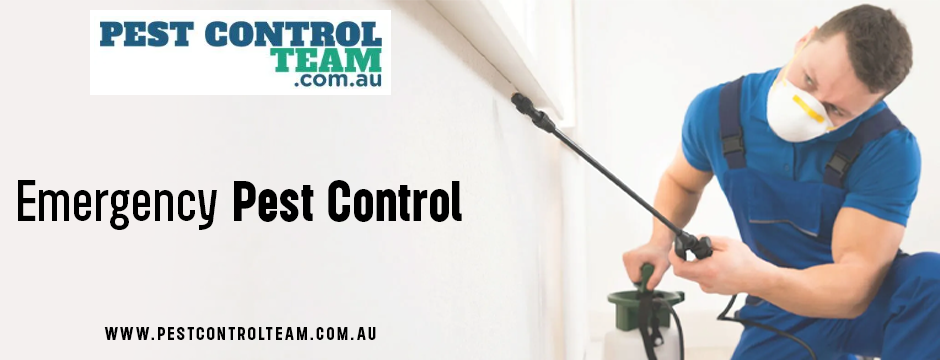
- Handheld Sprayers: Perfect for spot treatments of localized infestations.
- ULV Foggers: Ultra-low volume foggers disperse chemicals evenly, treating large spaces quickly.
- Eco-Friendly Options: Many sprayers now use non-toxic solutions safe for homes with children and pets.
Proper application is key; overusing chemicals can harm the environment and lead to resistance in pests.
Protective Gear
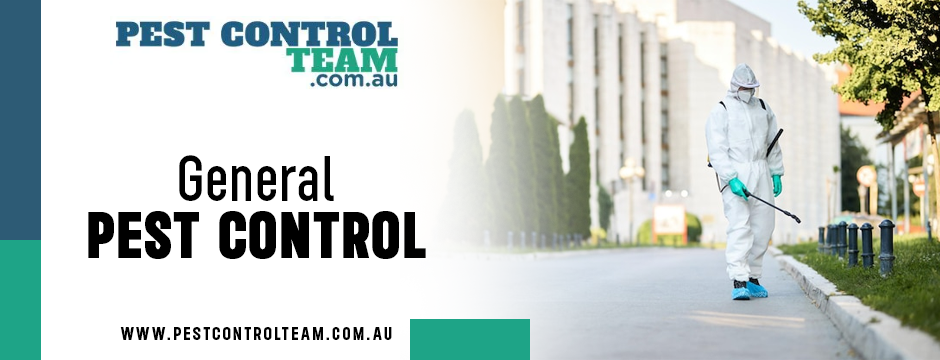
Safety should never be compromised. PPE (Personal Protective Equipment) includes:
- Gloves, masks, and goggles to prevent chemical exposure.
- Protective clothing for handling concentrated solutions.
- Footwear and respirators in large-scale commercial applications.
Using the right protective gear safeguards both the user and those around them.
Effective Techniques for Pest Management
Inspection and Monitoring
Regular inspections help detect infestations early, which is critical for cost-effective pest management. Monitoring devices such as pheromone traps allow continuous tracking of pest activity, providing valuable insights for ongoing prevention.
Physical Barriers and Exclusion
Stopping pests before they enter your property is often the most effective strategy:
- Seal cracks, gaps, and potential entry points.
- Use door sweeps, screens, and mesh coverings for windows and vents.
- Ensure proper sealing of pipes and utility access points.
These simple measures prevent pests like ants, rodents, and flying insects from establishing a foothold.
Chemical Treatments
Chemical applications remain a cornerstone of pest control:
- Spot treatments for ants, roaches, and spiders.
- Preventive perimeter sprays for rodents, termites, and mosquitoes.
- Always follow manufacturer instructions and safety guidelines.
Over-reliance on chemicals can be harmful, so combining with other techniques is essential.
Biological Controls
Using nature to fight pests is an eco-friendly alternative:
- Beneficial insects like ladybugs or nematodes target pests naturally.
- Birds, frogs, or other local predators can help reduce insect populations.
- Safe for gardens, farms, and homes where chemicals may be undesirable.
Integrated Pest Management (IPM)
IPM combines multiple approaches for long-term results:
- Monitoring, chemical treatments, physical barriers, and sanitation practices.
- Focuses on minimal environmental impact while effectively controlling pests.
- Encourages long-term prevention rather than temporary fixes.
Sanitation and Maintenance
Cleanliness is a critical component of pest prevention:
- Remove food and water sources to deter pests.
- Proper waste disposal reduces infestation risks.
- Maintain plumbing and drainage systems to prevent moisture accumulation.
- Regular lawn care, trimming shrubs, and keeping garden beds tidy minimizes hiding spots for rodents and insects.
Common Pests and Targeted Techniques
- Rodents: Snap traps, bait stations, exclusion, sealing gaps.
- Cockroaches: Gel baits, sprays, sticky traps, sanitation.
- Ants: Baiting stations, barrier sprays, and cleaning food residues.
- Termites: Soil treatments, baiting systems, structural inspections.
- Mosquitoes: Larvicides, fogging, removing stagnant water.
- Spiders & Flies: Sticky traps, insecticides, and eliminating breeding grounds.
Seasonal awareness is also crucial. For example, termites are more active in humid months, while mosquitoes peak during monsoon seasons. Adapting strategies to seasonal patterns improves effectiveness.
Preventive Tips for Homeowners
- Clean kitchens and dining areas immediately after use.
- Store food in sealed containers to prevent ants and cockroach infestations.
- Regularly inspect outdoor areas for standing water to prevent mosquito breeding.
- Seal all cracks and gaps to limit rodent entry.
- Schedule periodic professional inspections for early termite detection.
- Rotate and inspect compost areas to avoid attracting pests.
Professional General Insect Control with Pest Control That You Can Trust
When it comes to maintaining a safe and hygienic environment, you can trust us at Pest Control. We understand the importance of reliable solutions. At Pest Control, our team specializes in providing comprehensive emergency pest control services for homes and businesses. Using advanced tools, proven techniques, and environmentally conscious methods, we ensure effective results every time.
From inspections and monitoring to targeted treatments for ants, rodents, cockroaches, termites, and more, we offer customized solutions tailored to your property’s needs. With us, your space remains pest-free, safe, and comfortable.
Learn more about our services and schedule a consultation by visiting our website. Let us help you protect your property with professional, trusted pest management solutions.
Final thoughts
Successful general pest control requires the right combination of tools, techniques, and preventive measures. From traps and sprays to IPM strategies and biological controls, staying proactive is the key to a pest-free property. Understanding common pests, seasonal trends, and property vulnerabilities ensures that your approach is both effective and sustainable.
Partnering with professionals guarantees targeted solutions, reducing long-term damage and giving you peace of mind. At Pest Control, by integrating expert knowledge with proper sanitation, maintenance, and monitoring, you can protect your home or business year-round while maintaining a safe, hygienic environment for everyone.